
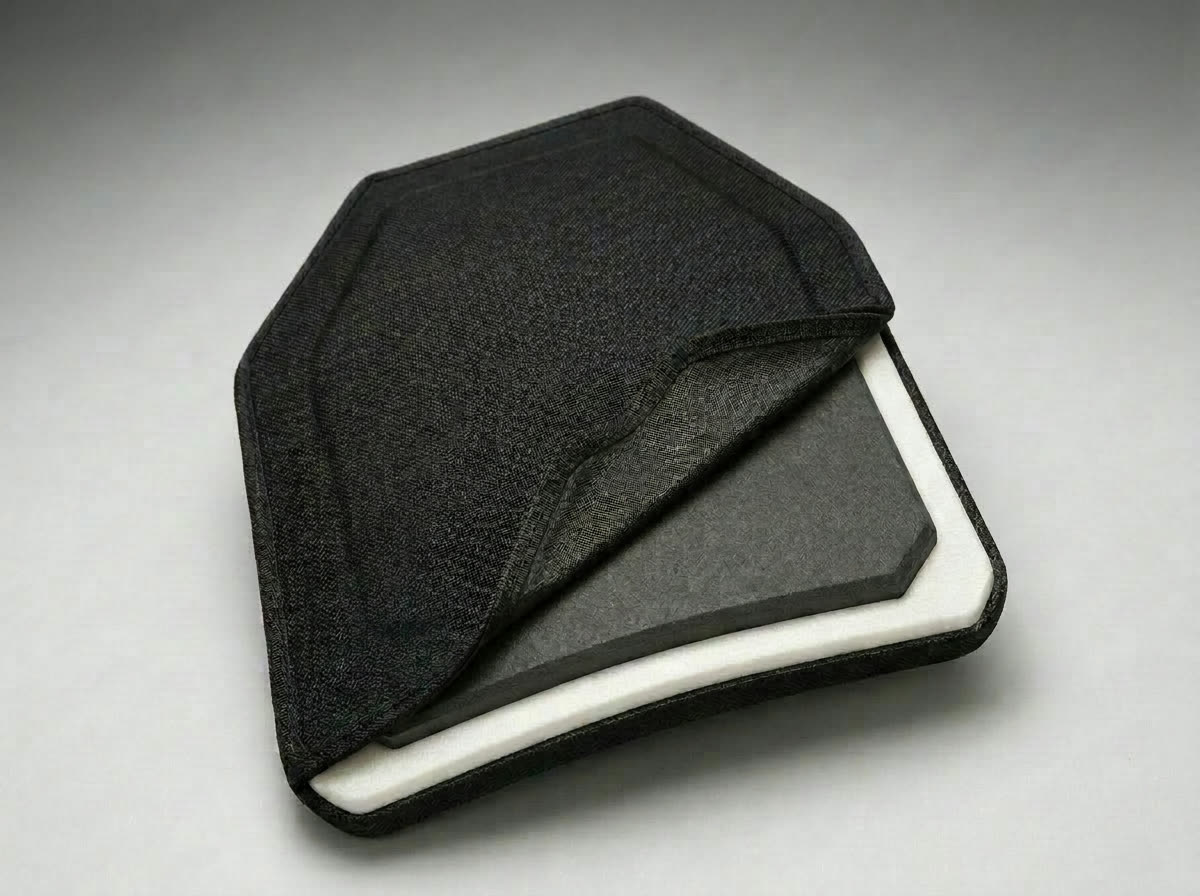
The Difference Between Plate Size and Ceramic Strike-Face Coverage
When does a 10 × 12 plate provide 10 × 12 protection?
Most purchasers assume that a rifle plate advertised as a 10 × 12 Shooters Cut provides approximately 10 × 12 Shooters Cut of rifle-resistant protection—typically between 101 and 109 square inches, depending on the manufacturer's shooters-cut geometry, including the steepness of the shooter cuts and whether the lower corners are clipped.
Whatever the advertised exterior area may be, many purchasers naturally assume that most of that area contains rifle-resistant ceramic. That assumption deserves a closer look.
In ceramic composite rifle armor, two different measurements may exist:
The external plate dimensions, which determine carrier fitment; and
The ceramic strike-face footprint, which determines how much rifle-resistant ceramic is actually present.
Sometimes those measurements are nearly the same.
Sometimes they are not.
The difference can be significant.
Ceramic composite armor works differently than homogeneous armor systems, like steel and pressed UHMW UDPE. The ceramic strike face performs the primary rifle-defeating function by disrupting and eroding the projectile, while the backing system captures fragments and absorbs residual energy.
For that reason, the amount of rifle-resistant ceramic is an important characteristic of the armor system.
The question is not whether a plate is labeled 10 × 12 Shooters Cut.
The question is:
How much of that advertised plate actually contains rifle-resistant ceramic?
If the ceramic strike-face footprint is substantially smaller than the advertised plate dimensions, would you want to know?
Would that information affect how you compare competing products?
Would it affect your purchasing decision if another similarly priced plate contained substantially more rifle-resistant ceramic?
Those are reasonable questions.
Every armor design involves engineering tradeoffs. Weight, thickness, flexibility, durability, multi-hit capability, ergonomics, manufacturing methods, and cost all influence the final design.
Different manufacturers may legitimately make different engineering choices.
The important point is transparency.
When evaluating ceramic composite rifle armor, purchasers should understand both the external dimensions of the plate and the dimensions of the rifle-resistant ceramic strike face.
One tells you what fits your carrier.
The other tells you how much rifle-resistant ceramic is actually present within those advertised dimensions.
If those measurements differ substantially, that is information every purchaser deserves to know before making an informed buying decision.
Know your dimensions. Know your protection.
Have a procurement question this article didn't answer?
Our sales engineers respond directly. No call-center, no sales script.
Contact engineering
The relativity of backface signature — why the 44 mm number isn't what you think
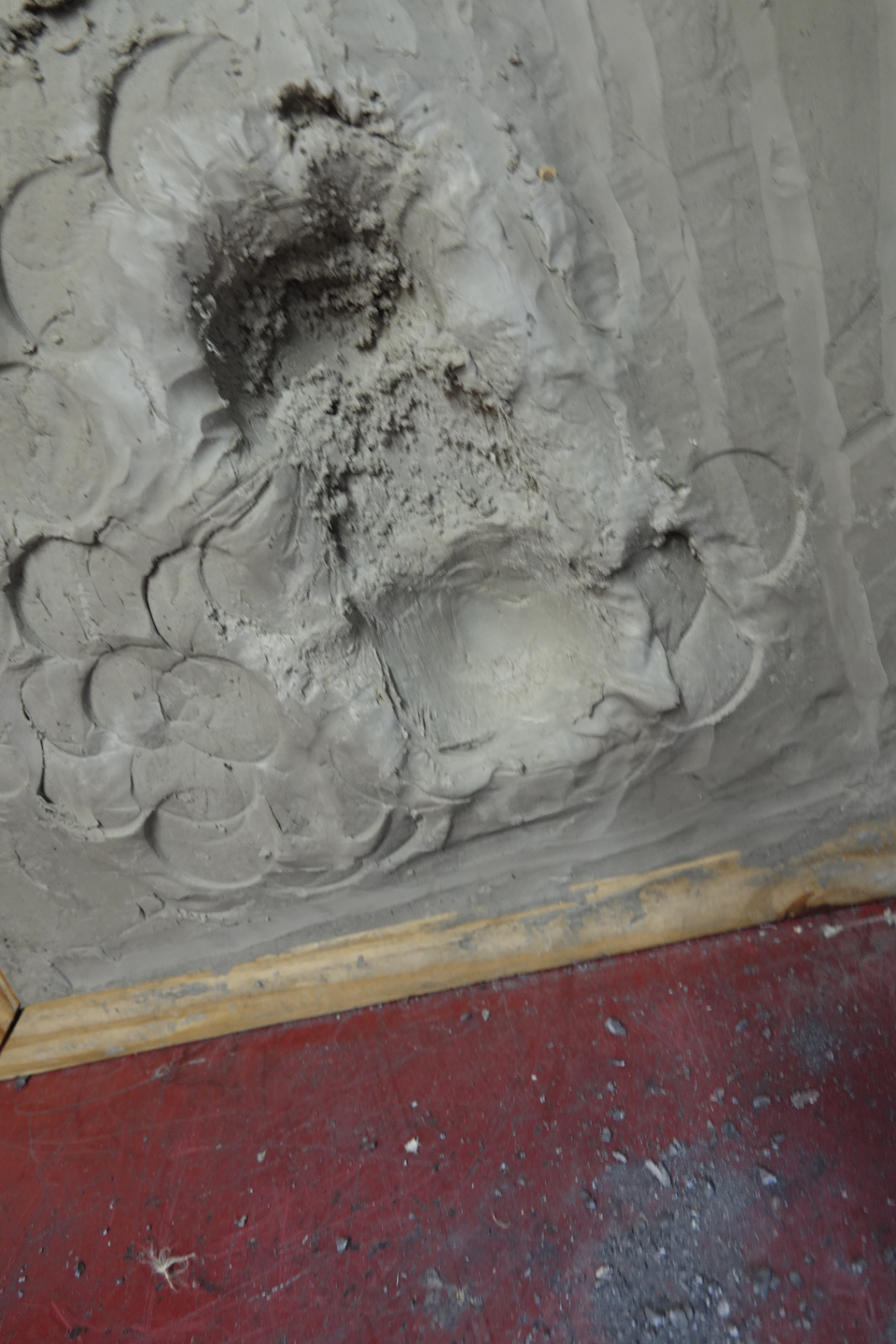
Backface signature, explained — what the clay actually tells you