
Decisions made on data, not marketing.
The body armor industry moves slowly — but the engineering behind it is more interesting than the marketing suggests. The Knowledge Center is our standing library on ballistic standards, materials science, and procurement strategy for agencies and individual operators.
The relativity of backface signature — why the 44 mm number isn't what you think
Backface signature is the most cited — and most misunderstood — number in body armor testing. A first-principles look at what it measures, what it doesn't, and why context changes everything.
Testing & Standards
4 articles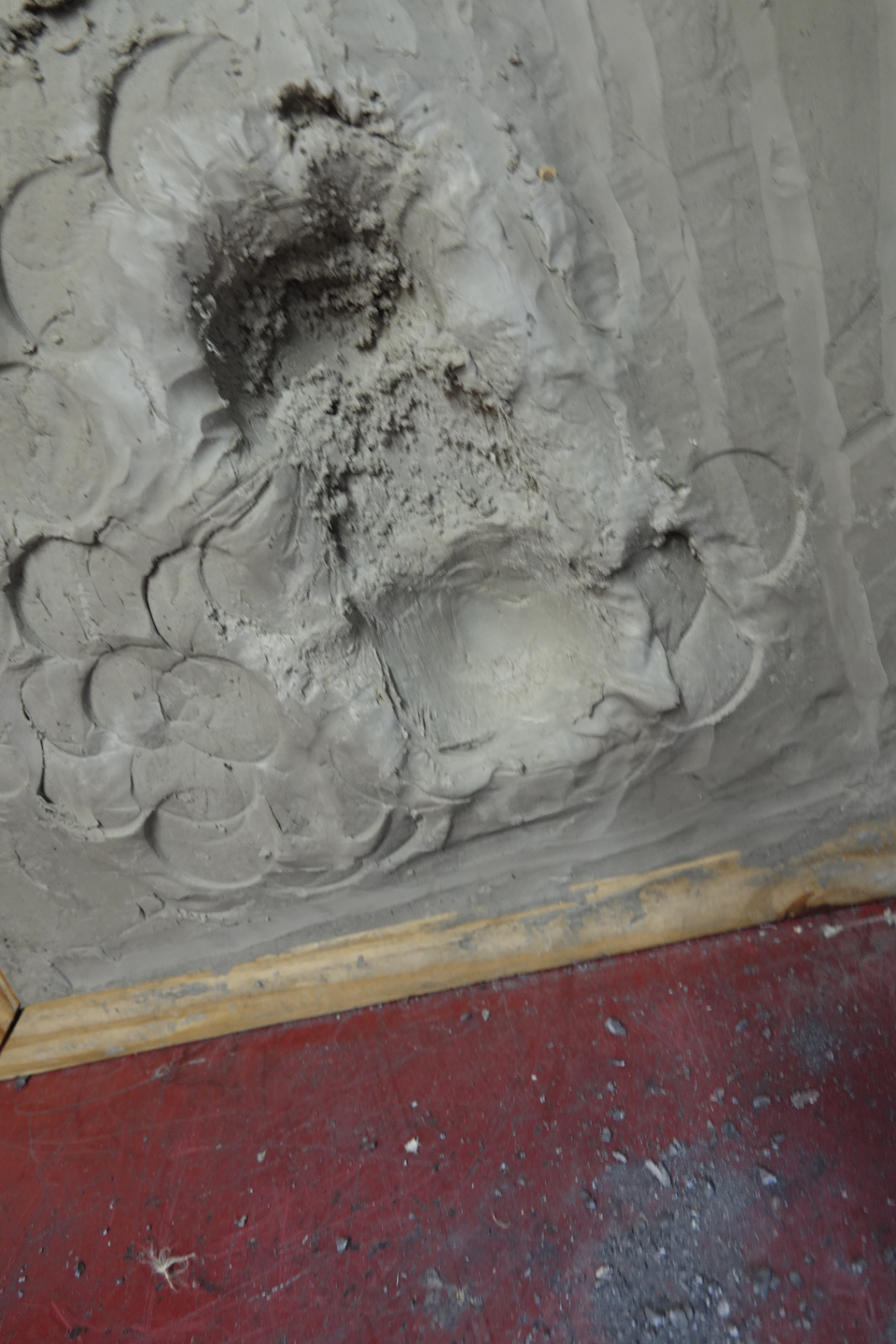
Backface signature, explained — what the clay actually tells you
How NIJ measures the deformation behind a stopped round, what the 44 mm threshold means, and how to read a BFS line on a test report.

Zylon, NIJ 0101.06, and the Evolution of Soft Armor Testing
The Zylon failures of the early 2000s forced NIJ to confront what the existing standard had never been designed to ask: does armor that passes today still pass after years of field service?
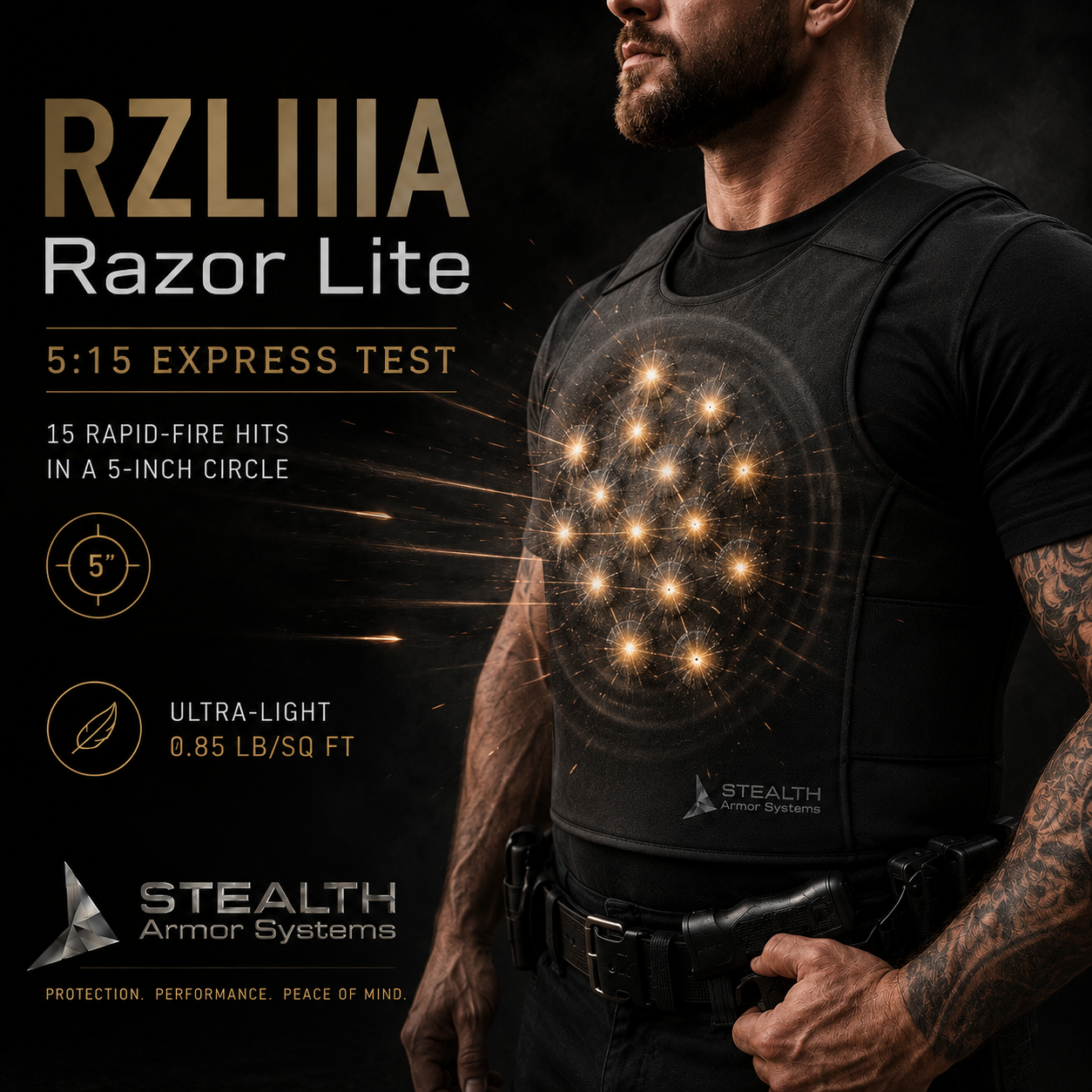
The 5:15 Express Test — Measuring Ballistic Durability Beyond Traditional Certification
Certification testing answers whether armor survives a prescribed laboratory protocol. The 5:15 Express Test answers a different question: how long does it keep protecting under the concentrated, rapid-fire impacts of a real attack?
Understanding NIJ 0101.06 — and what 0101.07 changes
The National Institute of Justice ballistic standard is the only meaningful third-party rating in the U.S. market. Here's what each level actually defeats.
Armor Fundamentals
2 articles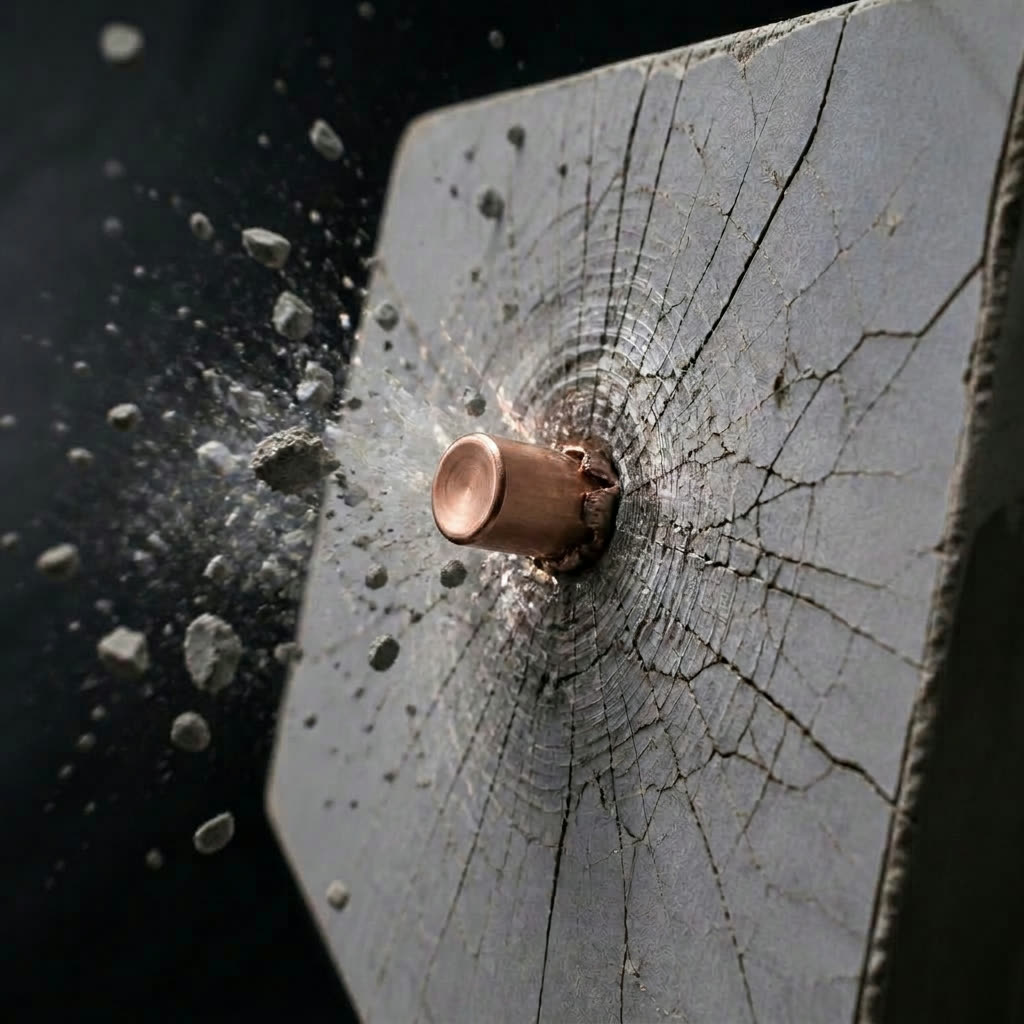
The Science of Body Armor
Body armor is an energy management problem. A first-principles look at how soft armor, hard armor, and articulated rifle systems each manage kinetic energy to keep the wearer alive.
How to extend the service life of your body armor
Soft armor warranties run five years for a reason. Here's how to make sure you reach that mark — and recognize when it's time to retire a panel.
Technology
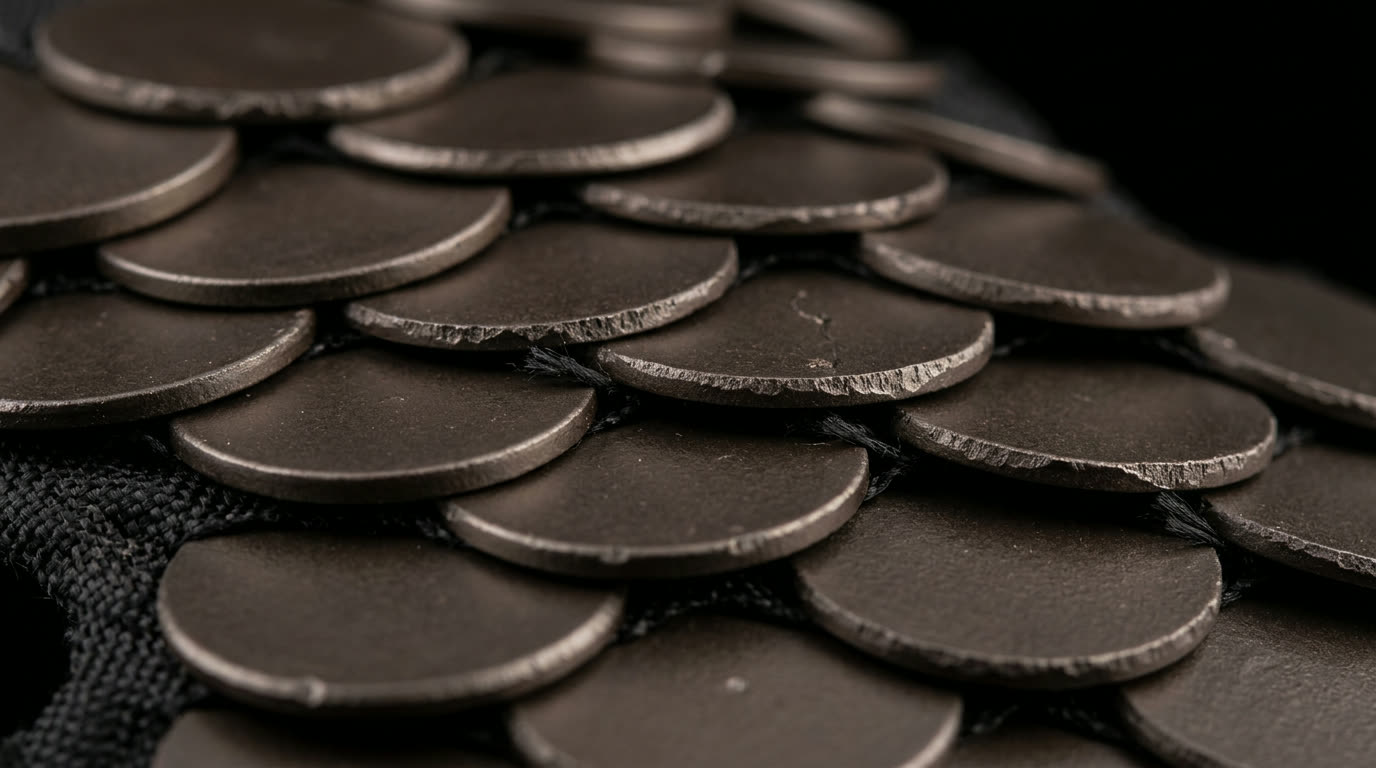
3 articlesWhy disc-geometry beats monolithic plates in motion
Hard plates do their job standing still. The real question is what happens when you're crouching, running, or shooting from a vehicle.
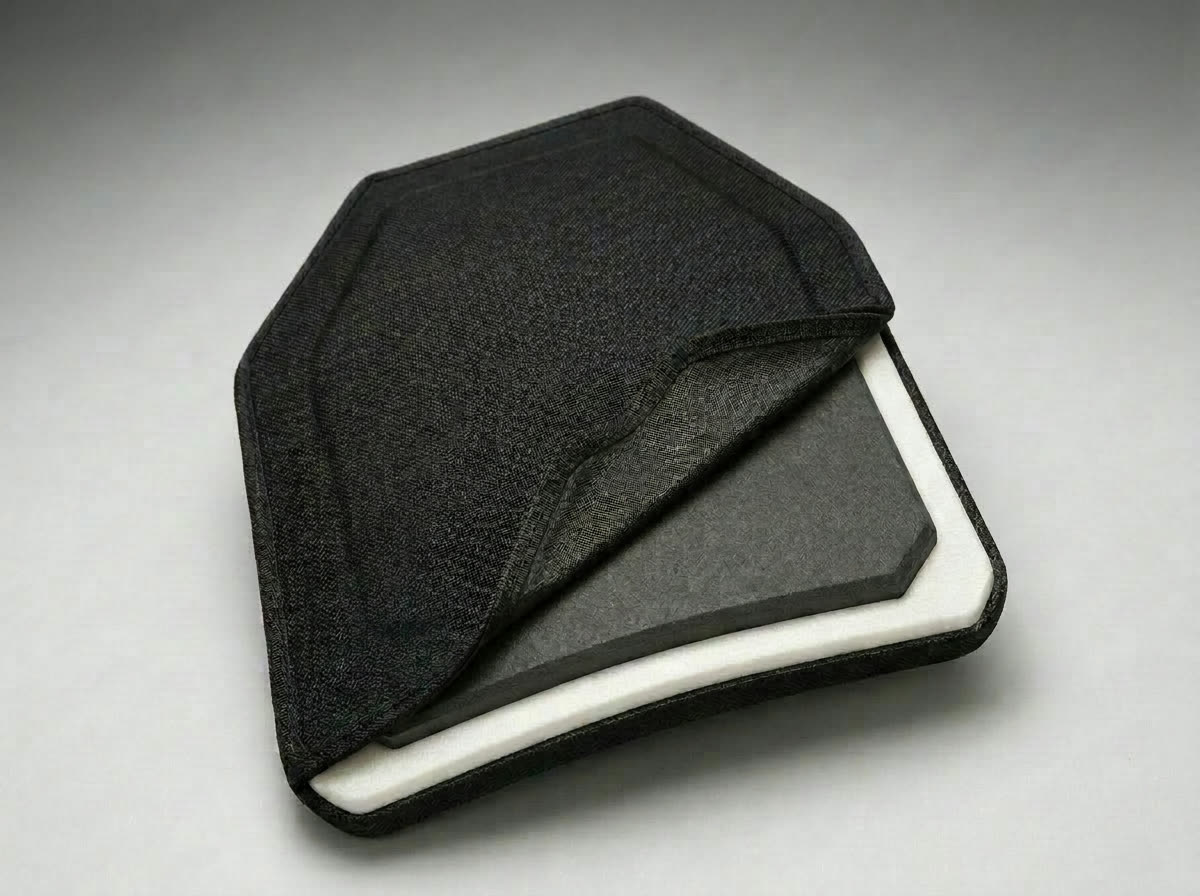
The Difference Between Plate Size and Ceramic Strike-Face Coverage
When does a 10 × 12 plate provide 10 × 12 protection?
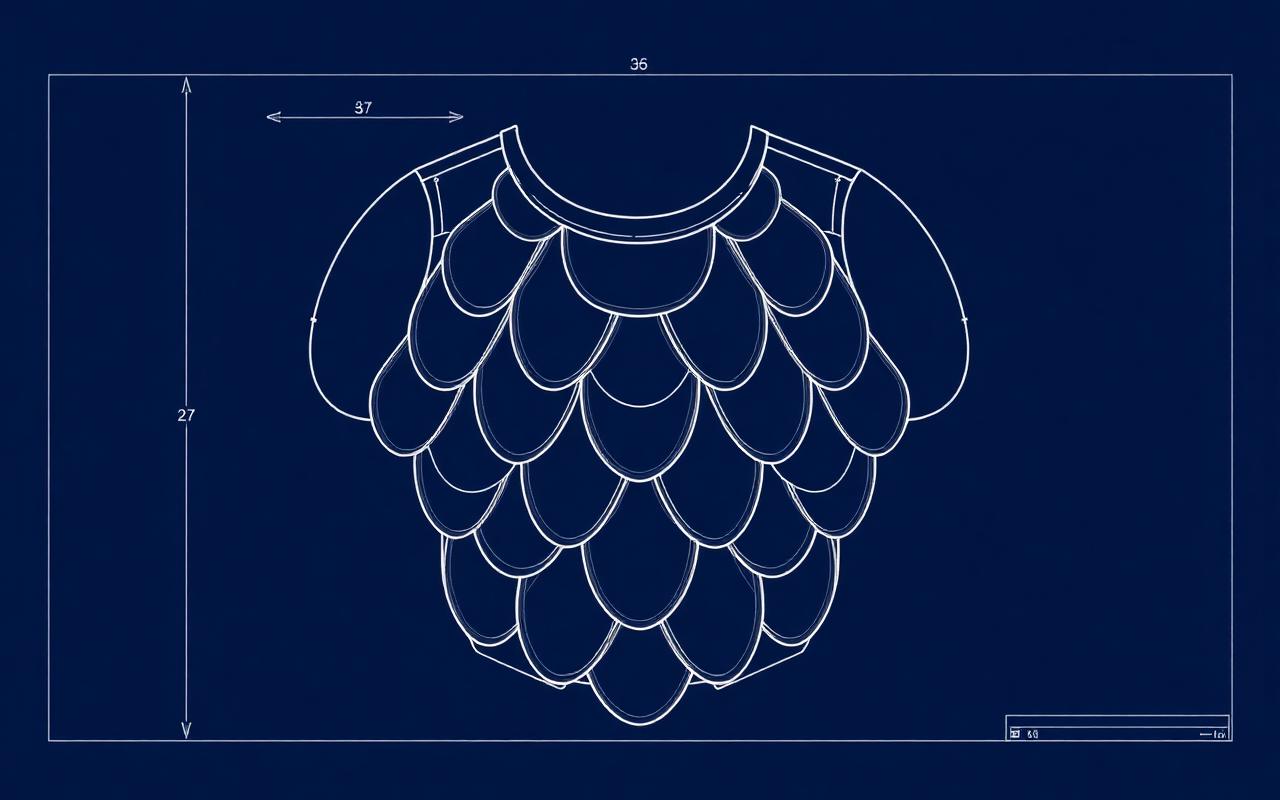
Dragon Skin™ vs. SAPI plates — flexible disc armor vs. rigid monolithic plates
A head-to-head technical comparison of overlapping-disc flexible rifle armor and the traditional SAPI monolithic plate. Mobility, multi-hit behavior, coverage, and where each architecture actually earns its keep.